Journey of the Chile
Chile = the berry-fruit of the genus Capsicum, members of the nightshade family Solanaceae cultivated for their pungency.
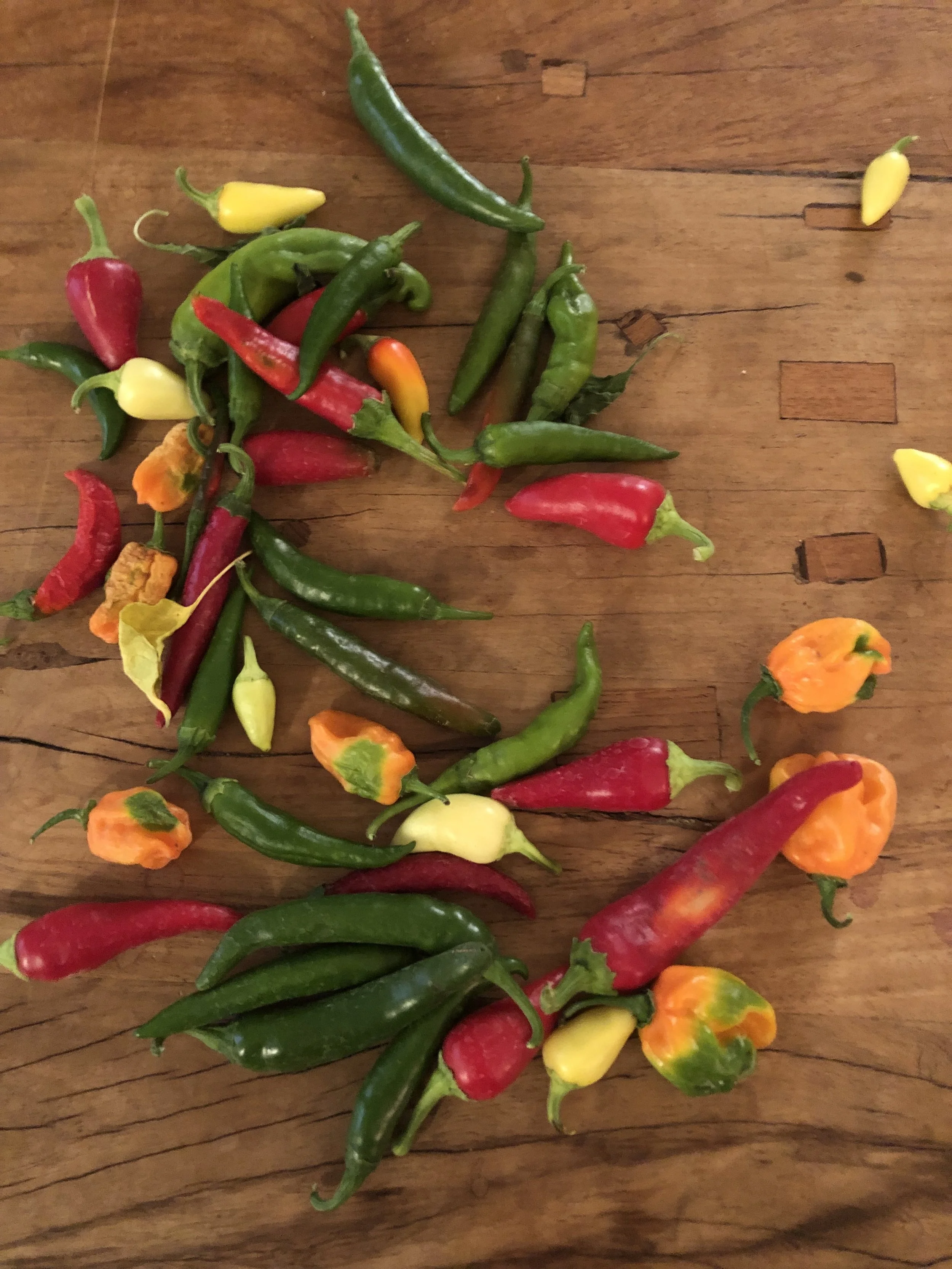
Harvest cornucopia
JOURNEY OF THE WILD CHILE
Originating in South America, chile peppers (Capsicum) were later spread by birds 4000 miles to central Mexico, one of the earliest known sites of domestication. Chiles have been part of human diets for thousands of years and are one of the oldest cultivated crops in the Americas. More than 95% of chiles contain capsaicinoids which are responsible for their distinctive mouth-burning sensation.
Of the 30 Capsicum species originating in the Americas, only five have been domesticated and widely cultivated. Species and common varieties include Capsicum annuum (bell peppers, cayenne, jalapeño, Thai, chiltepin, New Mexico), C. baccatum (aji), C. pubescens (rocoto, chile de caballo), C. chinense (the hottest peppers, including naga, habanero, datil, Scotch bonnet), and C. frutescens: (tabasco, malagueta, labuyo, piri piri, kambuzi).
SEED DISPERSAL
Wild chile fruits are perfectly adapted for ornithochory (bird-mediated seed dispersal). Wild Capsicum produce small, bright-red fruits with thin pericarps (fruit walls), non-pungent or mildly pungent flesh, and seeds that remain viable after passage through a bird’s digestive tract. Birds, especially the frugivorous passerines tanagers, thrushes, and flycatchers, are highly attracted to these fruits and played a key role in the dispersal of wild chiles. Because birds do not have the receptor sensitive to capsaicin, they do not perceive the heat and pungency which deter mammals from consuming chiles. Birds swallow the fruit whole and excrete intact seeds over long distances — often after flying kilometers.
Wild chile clades reflect bird migration routes: The Andean clade (C. pubescens, C. cardenasii, C. eximium) is the oldest group, centered in Bolivia and Peru. The Amazonian clade (C. baccatum, C. praetermissum) expanded eastward. And the Mesoamerican clade (C. annuum, C. frutescens, C. chinense) later radiated northward through Central America into Mexico and the Caribbean.
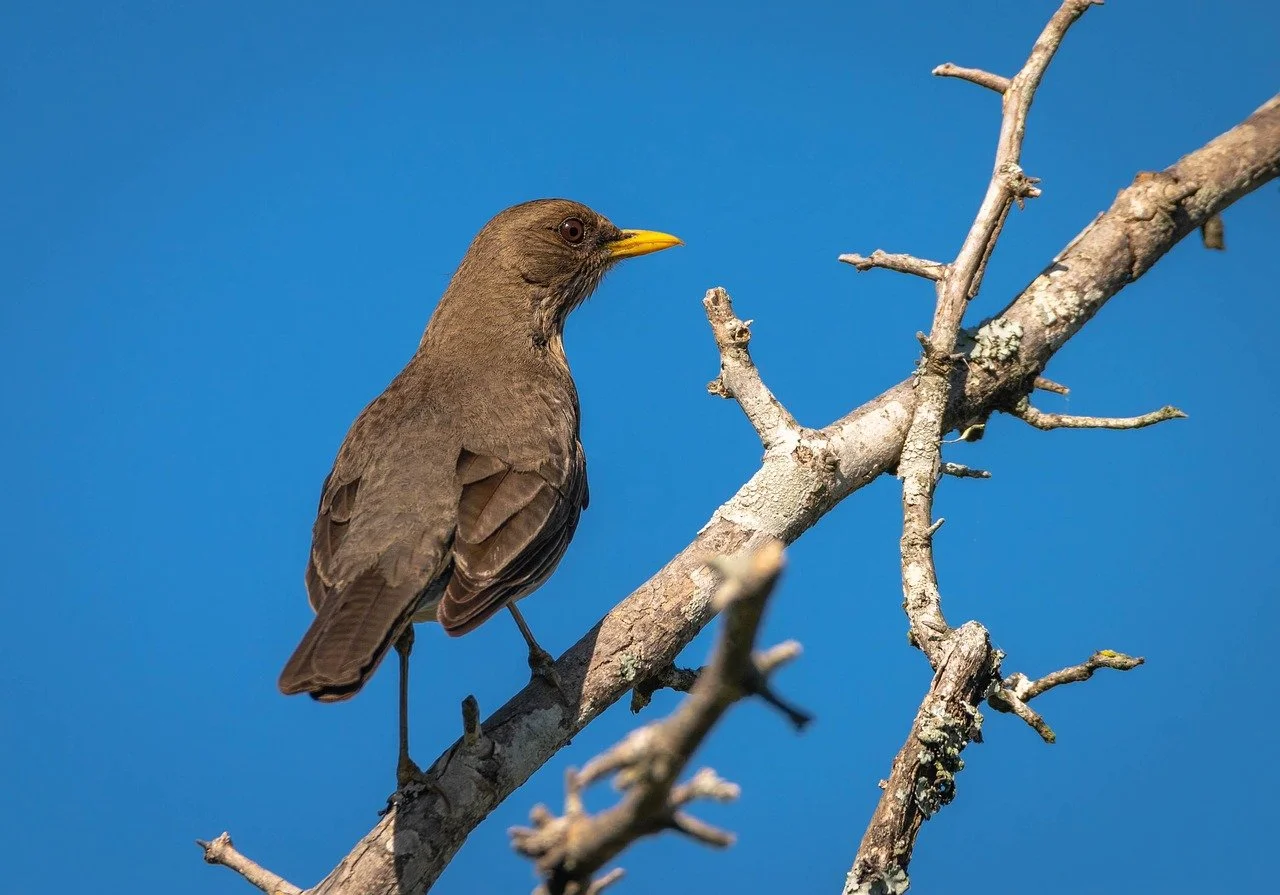
Chalchalero thrush
EARLY CULTIVATION
Evidence of early cultivation includes grains of chiles found on milling stones and cooking pots in southwestern Ecuador dating back over 6000 years. Research suggests that chiles were domesticated independently across different regions of the Americas. Capsicum annuum was domesticated and extensively cultivated in Mexico long before the arrival of the Spanish and now, after global dispersal, chiles are central to many cuisines. The term “chile” comes from the Nahuatl chilli or xilli, likely related to the words for red (“chiltik” or “chichiltik”). Europeans called them “peppers” because they associated the flavor of the chile with that of black pepper (Piper nigrum), a completely unrelated plant.
KEY CONSTITUENTS
Active components of Capsicum fruit include capsaicinoids, carotenoids, flavonoids, volatile oil, and steroidal saponins. Nutritionally, red chiles are 88% water, 9% carbohydrates, 2% protein, and 0.4% fat. In a 100-gram serving, chile peppers supply 40 calories and are a rich source of vitamin C and vitamin B6. Capsaicin and related capsaicinoids give chiles their intensity when ingested or applied topically.
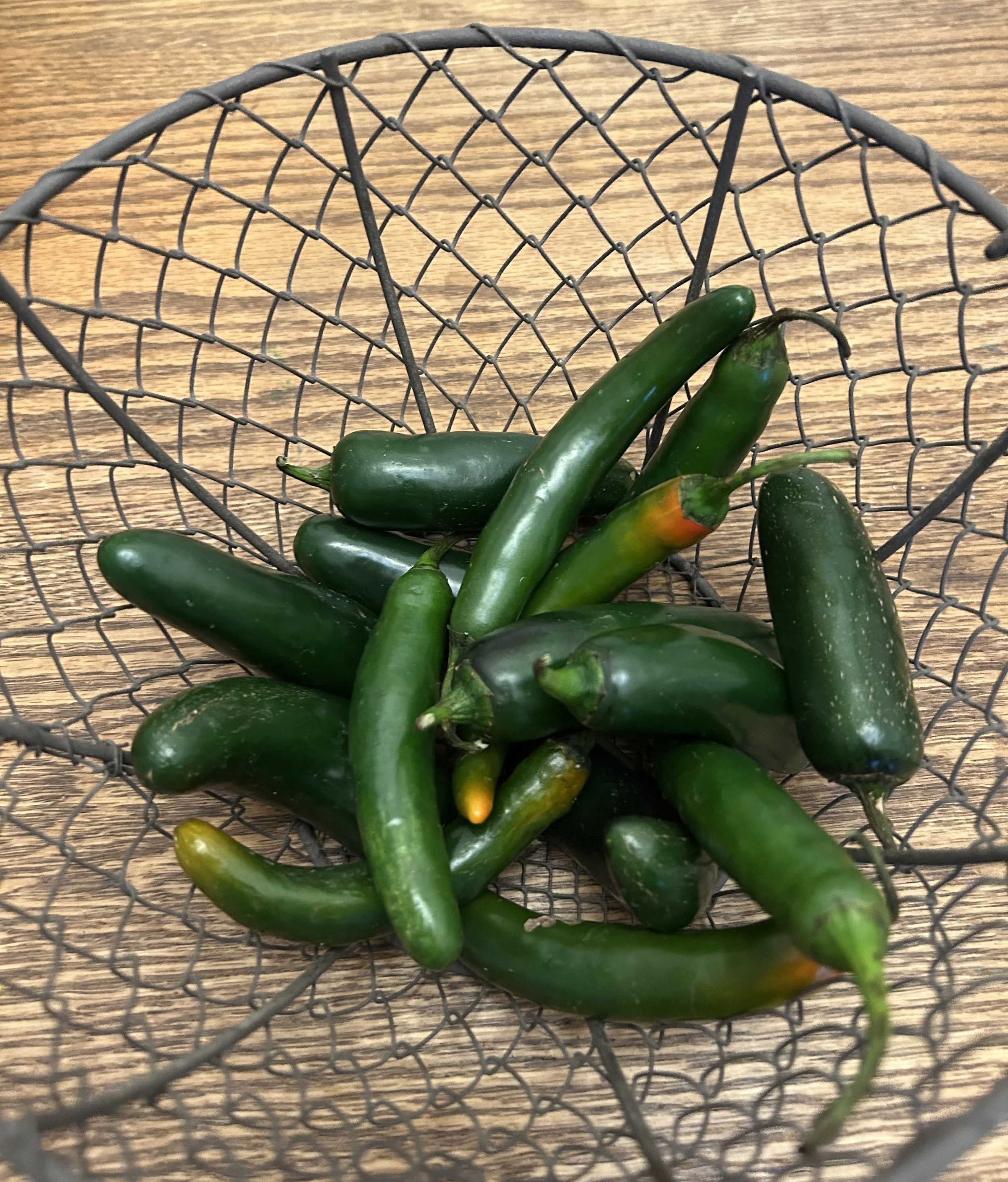
Locally grown jalapeños and serranos
USES FOR THE DOMESTICATED CHILE, MEDICINAL AND OTHERS
FOOD PRESERVATIVE The Maya used C. annuum as a food preservative and to repel insects. Its chemical compounds have antimicrobial properties and act as a natural deterrent to pests, making it possible to preserve foods longer in a tropical environment.
PREVENT SCURVY Because humans lack a working enzyme called L-gulonolactone oxidase, their bodies cannot produce vitamin C and they require dietary vitamin C to prevent scurvy (a vitamin C deficiency that plagued sailors on long voyages). Spanish sailors carried chile peppers in the 17th century to prevent scurvy. Fresh chiles contain significantly more vitamin C than oranges on a gram-for-gram basis.
STIMULANT The Maya understood the physiological effects of chiltepines and carried them to stay alert, activate the nervous system, support circulation, and bring oxygen to the brain during early morning work, ceremonies, or hunting.
POSTNATAL CARE The Maya used chiltepines as a warming, circulatory, and digestive stimulant for new mothers after childbirth, employing Capsicum for both physiological recovery and postpartum care.
· Childbirth was seen as a cold or weakening process for the mother. Chiltepines, being hot and pungent, were used to “warm the body,” stimulate circulation, and help restore strength. This is in line with the principles of traditional Chinese medicine, in which “hot” foods help the mother to recover yang energy after childbirth.
· Chiles support digestion, stimulate circulation, increase blood flow, prevent stagnation, and aid in recovery of uterine function.
· After birth, the midwife would prescribe a broth of laying hen served with toasted and ground chiltepines, as well as a cup of guava tea with honey from ts’itsik chi’ik [local bee]. This infusion helped prevent bleeding.
CIRCULATION AND BLOOD FLOW A warming stimulant, Capsicum relieves poor circulation and blood flow to the extremities. Internally, it alleviates gas and colic and stimulates the secretion of digestive enzymes, thereby aiding digestion and lowering blood triglycerides. It also reduces platelet aggregation. Capsicum is often used in tropical dishes to prevent infections from establishing themselves in the gastrointestinal tract.
PAIN Capsaicin acts on vanilloid receptors, causing inflammation but also desensitizing sensory nerve endings to pain stimulation by depleting the neuropeptide substance P. Capsicum is used to treat neuralgia, diabetic neuropathy, osteoarthritis, and pruritus and, in some patients, may provide a measure of relief in the management of intractable neuropathic pain. The 2021 Nobel Prize in Medicine was awarded to David Julius for his work using the heat-inducing compound capsaicin from chile peppers to identify a key pain and heat receptor in nerve cells — elucidating how the nervous system perceives temperature and touch.
RESPIRATORY TRACT INFECTIONS Capsaicin has long been used in cough and cold remedies. The vanilloid 1 (TRPV1) receptor is a sensor of airway irritation and initiation of the cough reflex. Capsaicin increases mucus production, enhances ciliary activity, and clears pathogens and irritants from the airways. It stimulates mild coughing to expel mucus and may reduce chronic cough in some patients. CAUTION Because of its potential irritant effects, capsaicin should be used with caution in patients with severe asthma, chronic respiratory infections, or airway hypersensitivity.
FUEGO CHILE CIDER This traditional folk remedy is used in New Mexico to ward off illness and boost the immune system especially during peak cold and flu season. Ingredients include organic apple cider vinegar, New Mexico green chile, ginger, turmeric, and raw honey.
TOPICAL PAIN RELIEF Capsaicin, the pungent chemical in chile peppers, is used as an analgesic in topical ointments, nasal sprays, and dermal patches. Externally applied creams and plasters containing capsaicin are used to alleviate lower back pain and sciatic pain. CAUTION Capsaicin can produce severe irritation and burning on initial application. Do not apply near the eyes, mucous membranes, or broken skin. Avoid in children and pregnant or breastfeeding women.
ONCOLOGY Capsaicin, a hydrophobic, lipophilic vanilloid phytochemical abundant in chile peppers, has shown robust cancer activity, suppressing the growth, angiogenesis, and metastasis of several human cancers. Clinical application remains problematic due to its poor bioavailability and aqueous solubility; different delivery mechanisms have been investigated. Adverse side effects may be circumvented by encapsulating capsaicin in a sustained-release drug-delivery system.
TRADITIONAL CHINESE MEDICINE Capsicum (辣椒 làjiāo in Chinese) has played a distinctive role in Traditional Chinese Medicine (TCM) since it was introduced to China in the late 16th century. Although Capsicum originated in the Americas, it was quickly integrated into Chinese herbal and medical traditions for its warming and stimulating properties. In TCM, Capsicum is classified as hot and pungent and is used to dispel cold, promote circulation, relieve pain, and stimulate digestion, but it must administered with care to avoid creating internal heat or irritation.
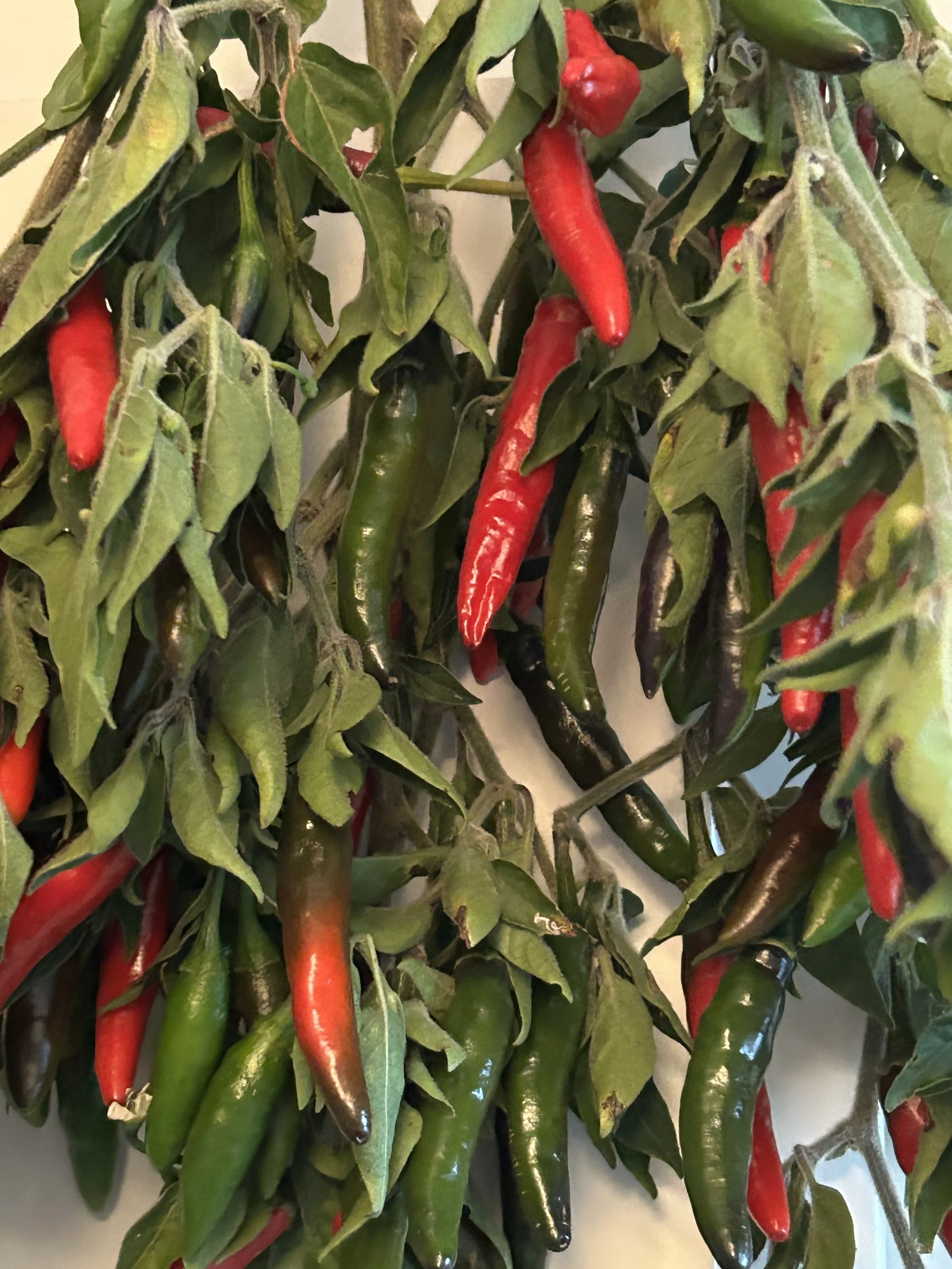
Thai chiles
FANCY A VISIT TO THE WILD CHILE? Located in the Tumacacori Highlands of the Coronado National Forest in Arizona, the Wild Chile Botanical Area is a 2500-acre protected area designated in 1999 to protect the northernmost natural population of the chiltepin pepper. The ancestor of domesticated chiles, chiltepin is a hot, small round chile that serves as a staple of Sonoran cuisine. It is known as the mother of all peppers because it’s the wild ancestor to many domesticated chiles.
Disclaimer Information in this blog is presented for educational purposes only. The use of herbal preparations is not recommended without seeking the advice of a healthcare provider. Substances in herbal preparations may interact with prescription drugs to eliminate therapeutic efficacy or induce toxicity.